From Blank Walls to a Dreamy Nursery Haven
Staring at four blank nursery walls can feel oddly high-stakes. You've picked the crib, the glider, maybe even the swaddle basket, and then the room still feels unfinished because the walls aren't doing any of the emotional work yet. That's where nursery wall art ideas make such a difference. Art gives the room its mood, its story, and that soft sense of identity that turns a setup into a space.
It also helps to know you're not overthinking it. The nursery decor market reached USD 1.92 billion in 2024 and is projected to grow at a 6.4% CAGR through 2033, which tells you parents are treating these rooms as meaningful, lived-in spaces rather than afterthoughts. The same shift has pushed practical decorating choices too, with more focus on finishes and materials that still look good after daily use.
If you're also trying to keep the room functional, this InchBug guide for organized nurseries is a helpful companion while you style.
Table of Contents
- 1. 1. Celestial & Cosmic Dreams
- 2. 2. The Modern Family Tree
- 3. 3. Adventure & Exploration
- 4. 4. Words to Grow By
- 5. 5. The Curated Gallery Wall
- Nursery Wall Art: 5-Style Comparison
- Creating a Space That Grows with Them
1. 1. Celestial & Cosmic Dreams
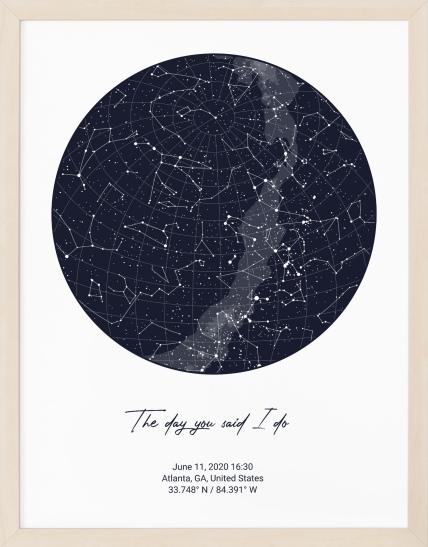
A celestial nursery works because it feels soothing without being boring. Stars, moons, and planets naturally lean soft and rhythmic, which is exactly what most parents want near sleep space. The mistake I see most often is turning the room into a themed party set with too many literal motifs.
Start with one strong anchor piece, like a moon print, a star chart, or a softly illustrated night sky. Then add smaller supporting pieces that echo the idea without competing with it. That mix gives the wall depth and keeps the room feeling designed rather than decorated all at once.
Here's a visual direction for this theme:
Choose one hero piece and a quiet supporting cast
Muted navy, gray, cream, dusty blue, and warm white all work beautifully here. Metallic accents can help, but keep them selective. A gold frame, a brushed silver lamp base, or a subtle shimmer in the art is enough.
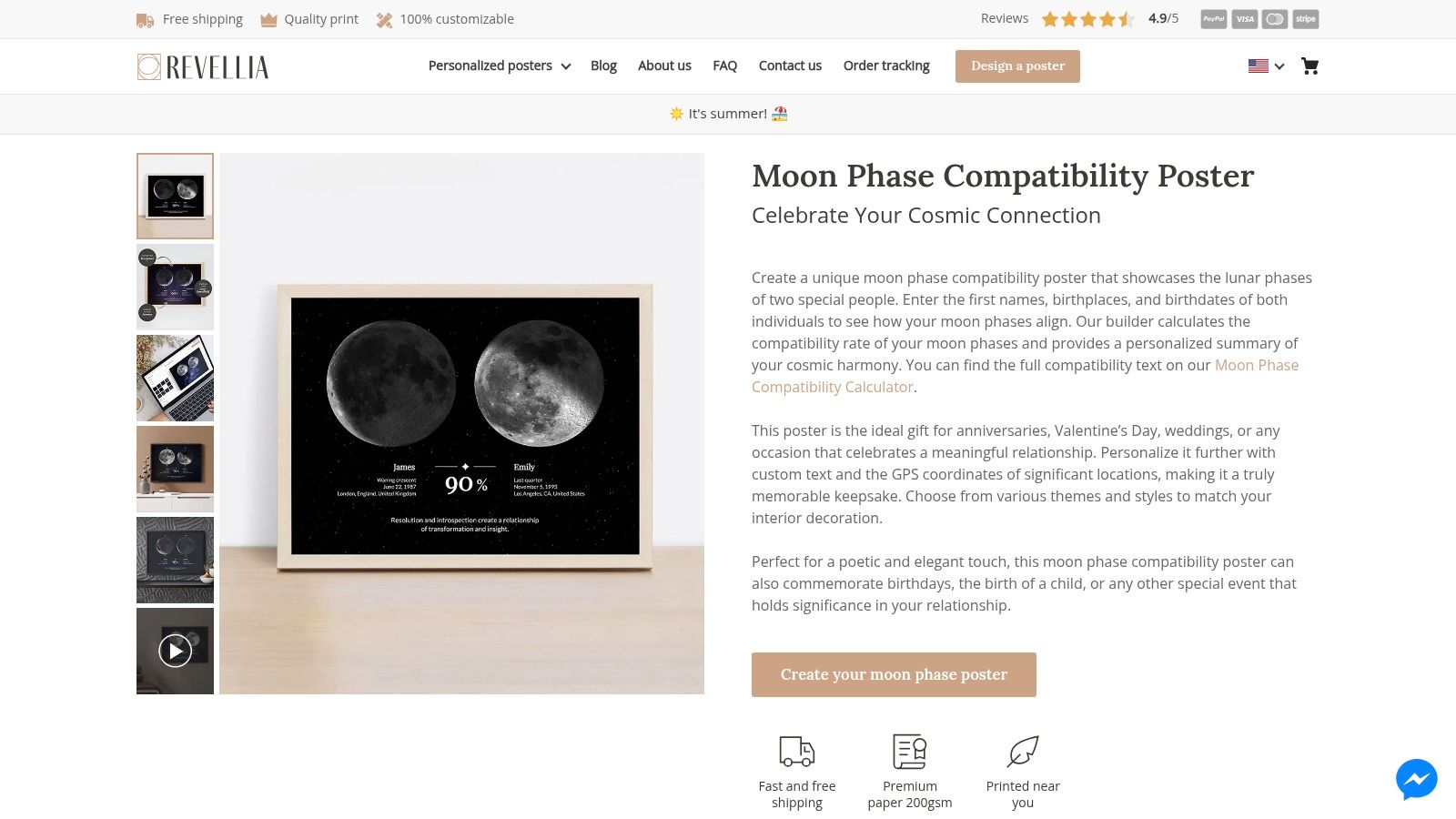
A meaningful custom option fits this theme especially well. A Personalized star map can recreate the night sky for a special moment, which gives the room a personal layer without forcing babyish imagery into the design.
- Hero art first: Pick the main celestial piece before rugs, pillows, or shelving. It's easier to build around one focal point than to retrofit one later.
- Limit your symbols: Choose two or three motifs at most, such as moon, stars, and planets. Add every cosmic element available and the room starts to feel noisy.
- Keep contrast gentle: Soft edges and restrained color shifts usually age better than harsh black-and-white novelty prints.
A nursery should feel restful at midnight, not just cute at noon.
How to place it so it feels calm, not cluttered
Celestial art looks best where your eye naturally lands when you enter the room. That's often above a dresser, above a reading nook, or on the wall opposite the crib. I'm careful about placing framed pieces directly over sleep zones unless the mounting is extremely secure and the layout is intentional.
If you want the room to evolve well, this is one of the safest themes to invest in because it doesn't lock you into infancy. A moon phases print, a star map, or a painterly sky scene can stay long after the crib is gone. That matters, especially since parents are increasingly searching for decor that can evolve with the room over time, while guidance on exactly when to rotate nursery art still remains thin in the broader conversation around developmental changes.
For texture, finish the wall with one or two tactile companions. A moon-shaped cushion, a star-pattern rug, or linen curtains in a washed neutral tone can make the art feel integrated instead of floating alone.
2. 2. The Modern Family Tree
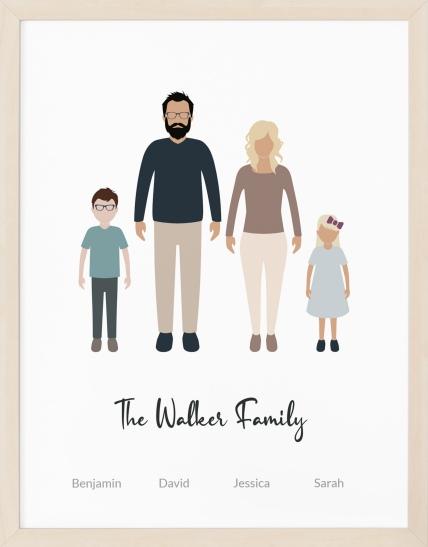
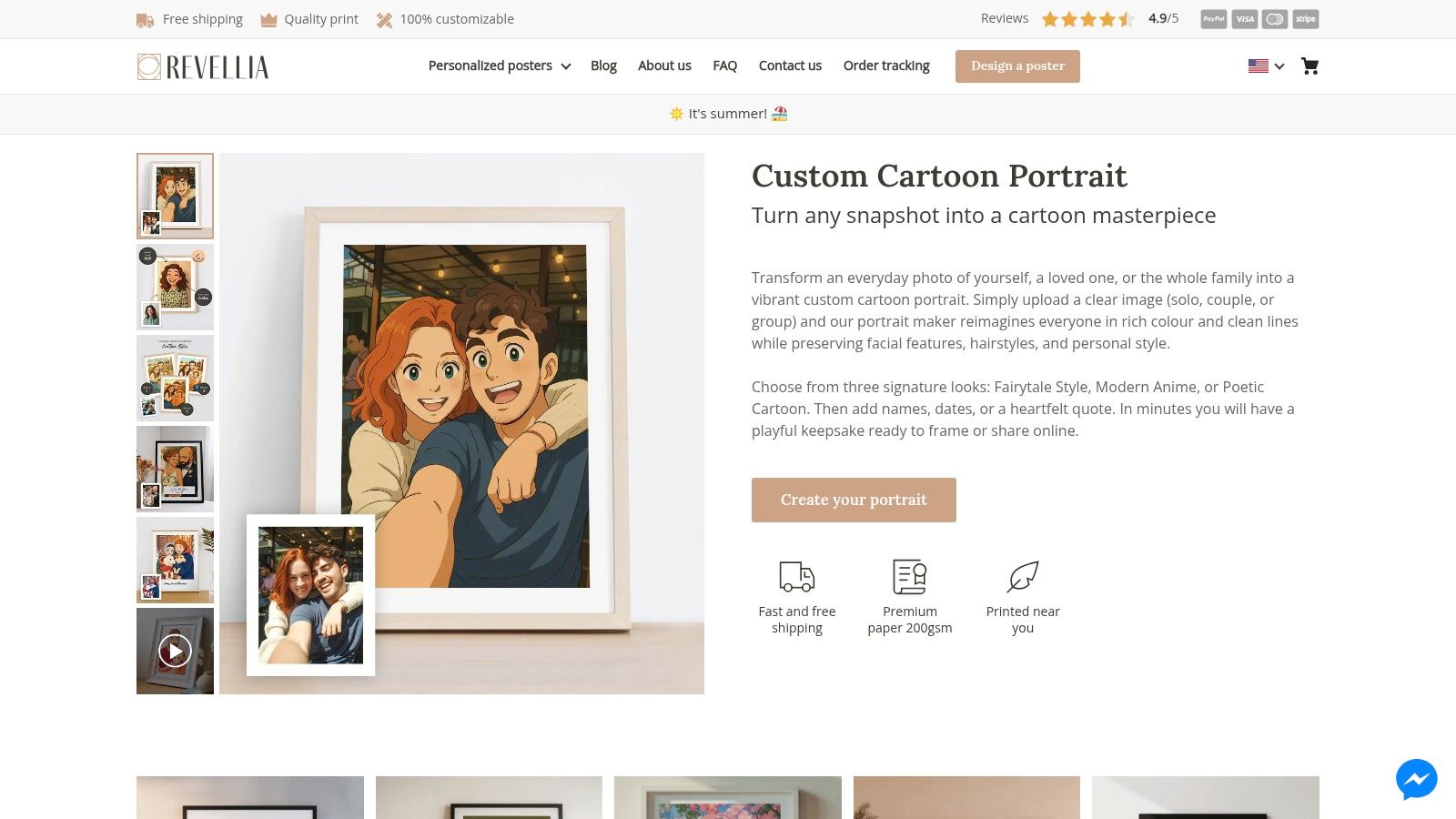
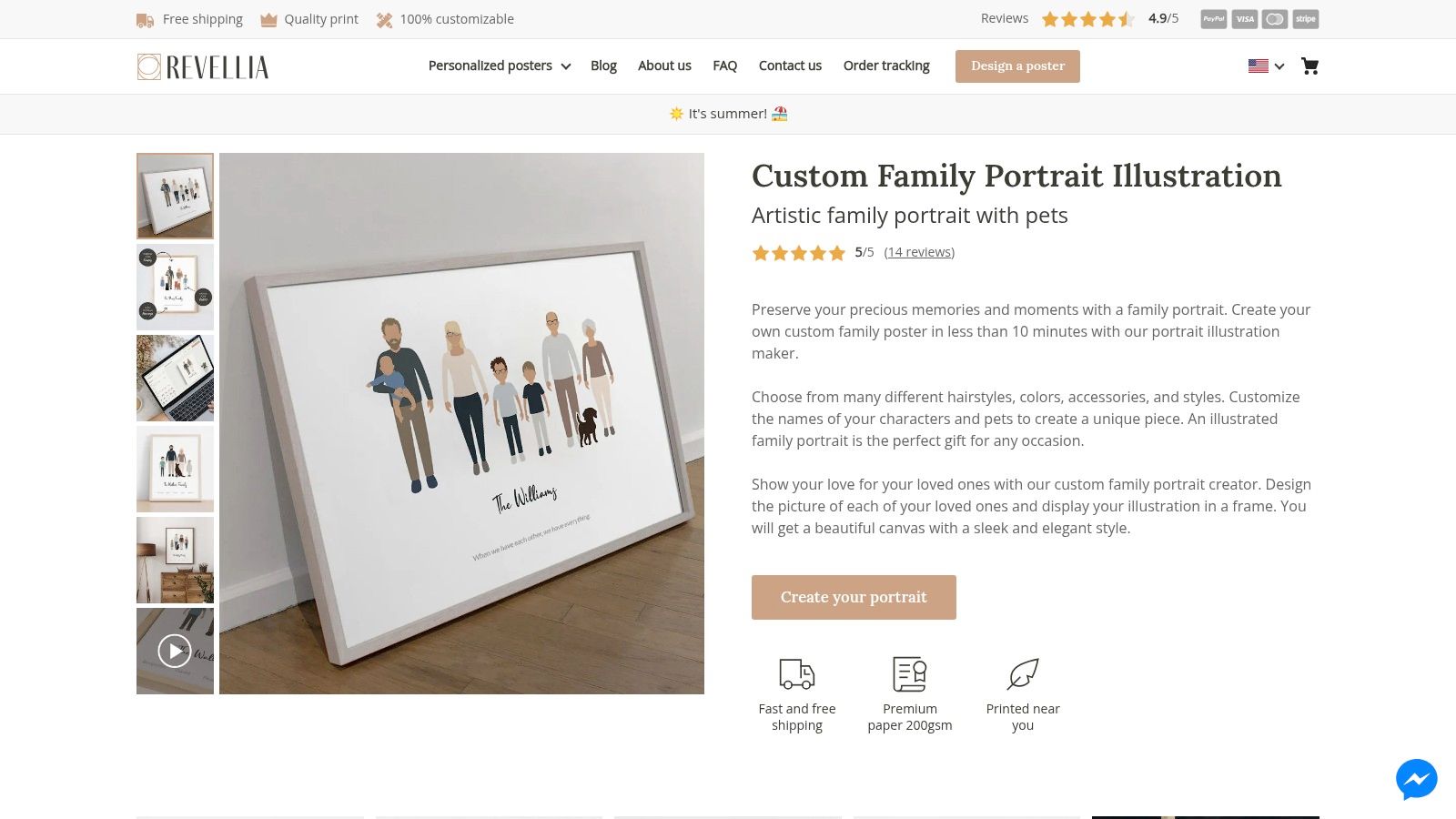
Family-themed nursery art can go one of two ways. It either becomes warm and personal, or it turns into a cluttered wall of mismatched photos in random frames. If you want the first result, illustrated portraits are often the cleaner choice.
They let you capture the people around your baby without requiring a perfect photo session, matching outfits, or a very specific moment in time. That's especially useful when you want grandparents, siblings, or even a pet included in one piece.
A portrait wall can still feel playful:
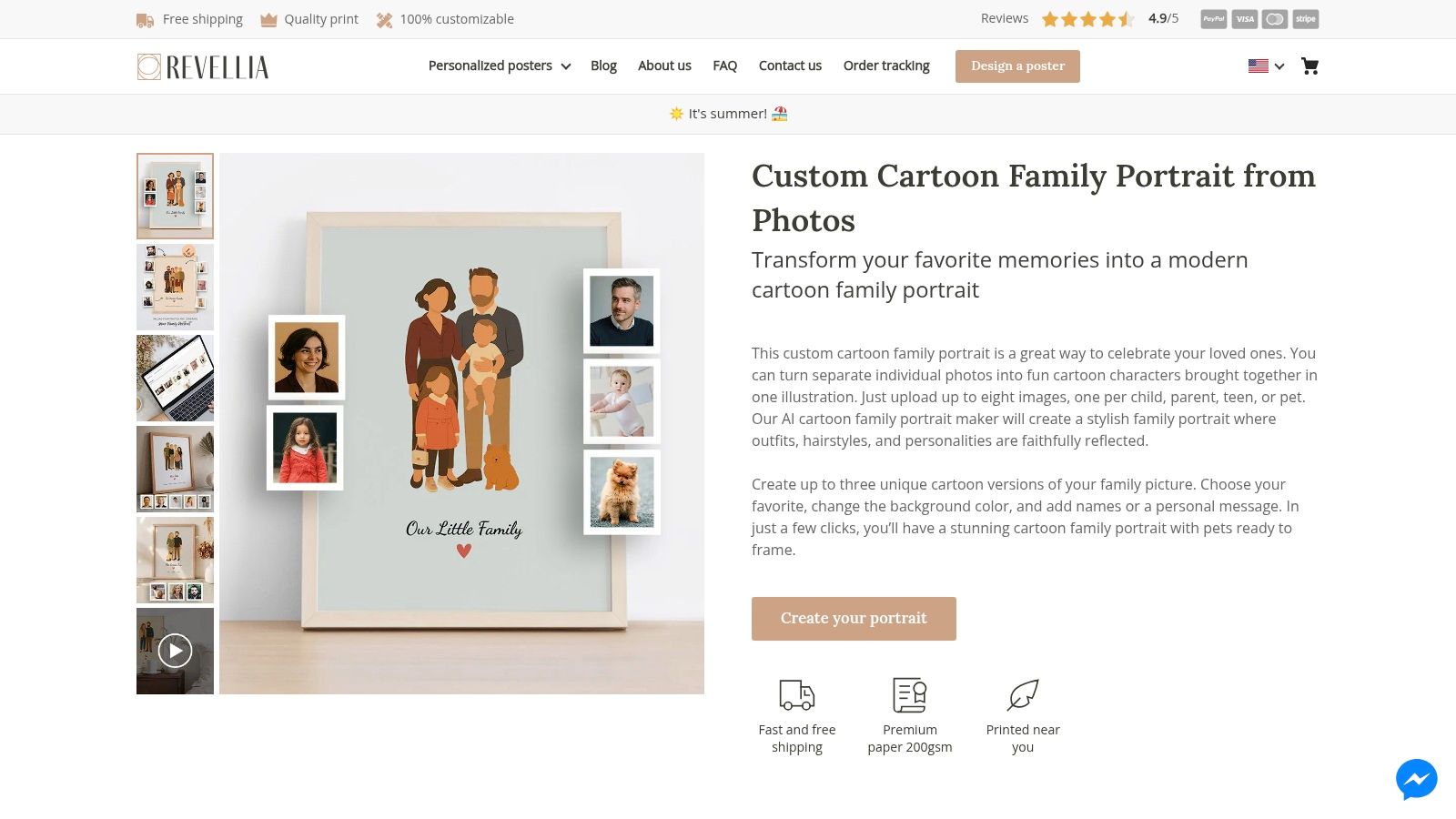
What works better than a wall of snapshots
One illustrated family portrait above a dresser usually has more impact than six small photo frames scattered across the room. It creates a focal point, and it also reads as art first, memory second. That balance is what makes it work in design terms.
If you love newborn imagery too, pair a portrait with inspiration from these newborn photography examples. The combination can help you decide whether your nursery should lean polished, sentimental, whimsical, or somewhere in between.
The strongest versions of this theme usually follow one of these paths:
- Minimal portrait style: Soft backgrounds, simple clothing colors, and clean line work fit modern or Scandinavian nurseries.
- Playful cartoon style: This works well if the room already has rounded shapes, bolder textiles, or storybook accents.
- Multi-generation focus: A single piece that includes parents, baby, siblings, and a pet often feels more cohesive than a patchwork of separate images.
Practical rule: If the portrait has lots of character detail, keep the surrounding decor calmer. Let one piece carry the personality.
Where family art belongs in a nursery
I like this category best above a changing table or dresser because it brings emotional warmth to a task-heavy zone. Late-night diaper changes aren't glamorous, and a personal focal point can soften that corner of the room. It also gives adults something grounding to look at during the repetitive parts of the day.
Color matching matters here more than people expect. If your portrait includes blush, sage, oatmeal, or muted blue tones, repeat one of those shades elsewhere in the room so the piece doesn't feel dropped in. What doesn't work is using a bright cartoon-style portrait in a very quiet neutral nursery unless you intentionally want that one burst of energy.
This is also a good place for custom work because it tells your child, from day one, who belongs in their world. That's the kind of nursery wall art idea that feels decorative now and meaningful later.
3. 3. Adventure & Exploration
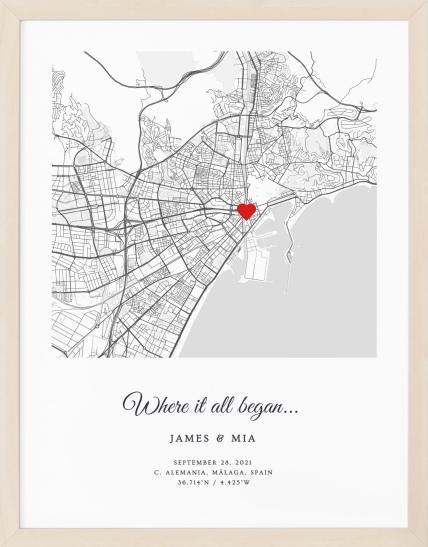
Explorer-themed nurseries often get reduced to airplanes and vintage globes. They can be much more personal than that. The strongest version starts with a place that means something to your family and builds outward from there.
That place might be your hometown, the city where your baby was born, where grandparents live, or the place where you and your partner began your life together. Once the wall has that anchor, the room instantly feels less generic.
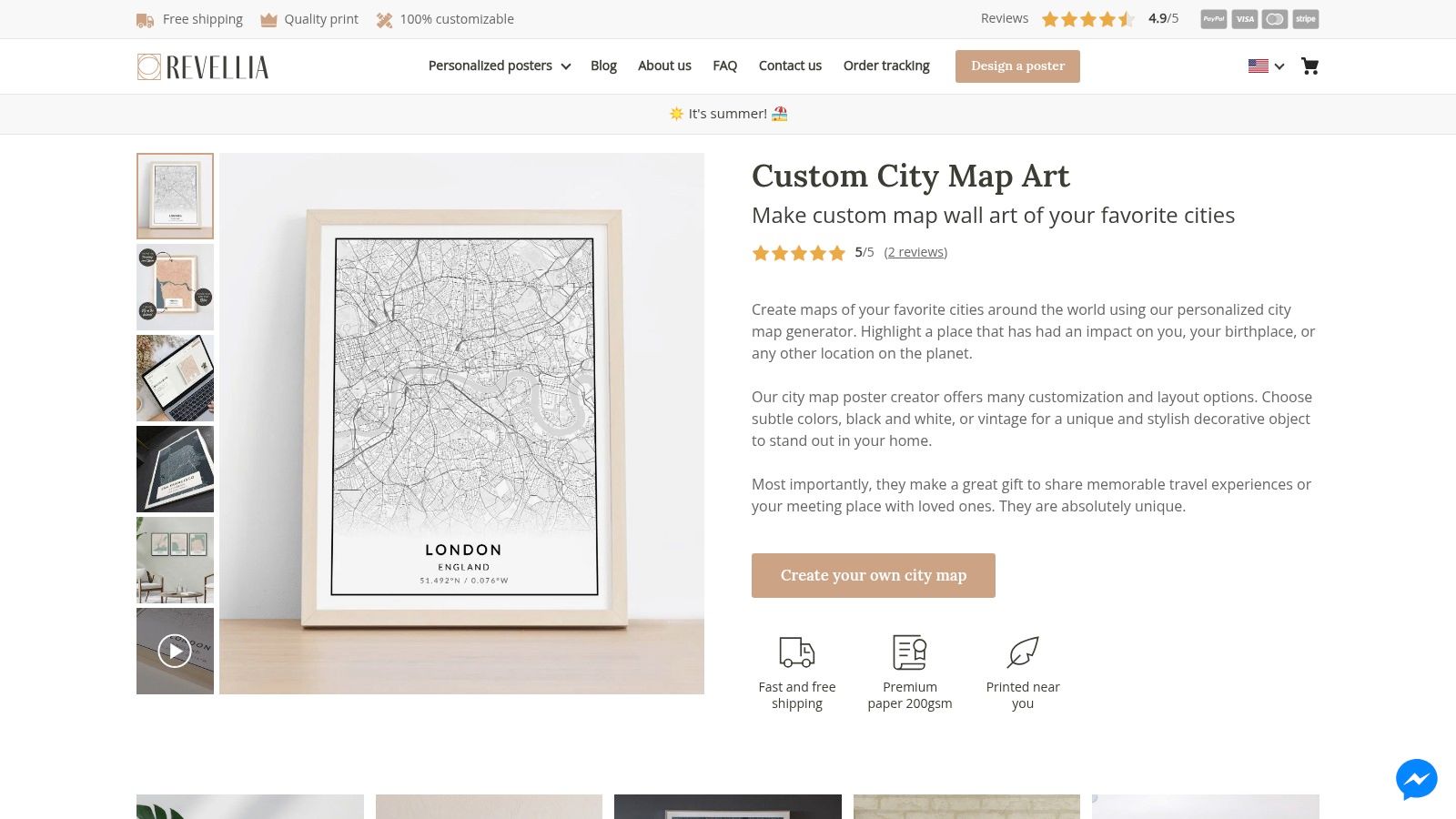
This theme can be surprisingly tender when it's rooted in real geography:
Build the room around one meaningful place
A personalized city map is a natural fit here because it adds structure and story at the same time. You can center the room on one location, then support it with animal illustrations, balloon art, train sketches, or soft travel-inspired prints that don't overwhelm the wall.
Wood frames, woven baskets, jute rugs, and natural linen all help this theme feel grounded. They keep the room from drifting into novelty territory. If you use a map with stronger lines or labels, offset it with softer pieces nearby.
The larger wall art market is projected at USD 61.01 billion in 2025 and expected to reach USD 99.15 billion by 2033 at a 6.4% CAGR, and nursery art sits inside that broader appetite for ready-to-install decor. In practice, I've found the explorer look lasts when you choose art that can move from nursery to big-kid room without a full redesign.
How to keep explorer themes sophisticated
There's a fine line between “curious little adventurer” and “travel agency waiting room.” The difference is editing. Use one map, a few companion prints, and textures that support the mood.
Try a layout like this:
- Statement wall option: One map over the dresser, with a small animal or balloon print beside it.
- Story cluster option: A map, one print of wildlife, and one text-based piece with baby's name or a meaningful place name.
- Keepsake option: A custom location-based piece paired with one heirloom item, like a framed postcard or family travel photo.
Maps also work well because they invite storytelling as your child grows. You can point to where family lives, where you traveled, or where important moments happened. That makes this one of the most versatile nursery wall art ideas if you want the decor to carry memory, not just style.
4. 4. Words to Grow By
Typography can be one of the smartest choices in a nursery because it's visually clean and naturally educational. It gives you structure on the wall without adding visual chaos, which is why I often recommend it for smaller rooms or rooms that already have patterned textiles.
It also lines up with a clear design direction in nursery art. Minimalist typography is one of the strongest style currents within this niche, especially when paired with simple forms and nature-led decor, which makes sense for parents who want visuals that feel calm rather than hyper-stimulating.
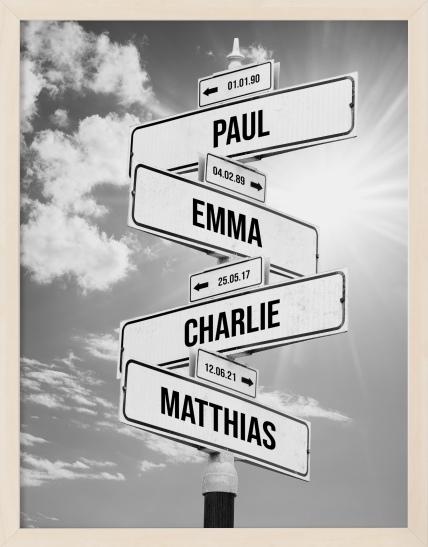
This category can still be personal, not sterile:
Why typography works especially well in nurseries
A single name print can be enough if the room already has plenty of texture. If the room is more minimal, create a small grouping with an alphabet print, an initial, and a short phrase you won't mind reading for years. That last part matters. Some baby quotes feel sweet for a month and tiring after that.
Typography also gives you excellent control over tone. Serif fonts can feel classic and heirloom-like. Clean sans serif styles feel modern and calm. Handwritten script can work, but I use it sparingly because too much script in a nursery often becomes harder to read from across the room.
Keep word art short. The more text a piece carries, the less likely it is to feel restful on the wall.
The best layouts for names, letters, and birth details
A personalized birth poster makes sense. It lets you display your baby's name and arrival details in a format that still reads like decor. A street-sign style family print or a definition-style print can also work if you want something more graphic and less traditional.
What usually works best:
- One oversized print: Ideal above a dresser when you want a clean, intentional focal point.
- A neat grid: Great for letters, numbers, or a set of coordinated educational prints.
- A layered ledge: Best if you'd like to rotate pieces as your child grows and your style shifts.
If you're worried word art will feel too flat, pair it with one tactile element nearby. A fabric wall flag, wooden toy shelf, or quilted textile can warm it up quickly. That combination keeps the room feeling soft and child-friendly while still looking polished.
5. 5. The Curated Gallery Wall
You fall in love with a moon print, then a family illustration, then a small abstract piece that somehow ties the whole room together. A gallery wall is how those choices can live together without making the nursery feel scattered. The goal is not to fit in everything you like. The goal is to build one clear story from a few different pieces.
That story needs a backbone. Use one unifying element, such as matching frames, a tight color palette, or repeated mat sizes. I usually start there before I choose the art itself, because mixed subjects look polished faster when the presentation stays consistent.
This style works especially well for parents who want a nursery that feels collected over time, not bought in a single afternoon.
Build the wall before you buy the frames
Start with placement. For a nursery gallery wall, the arrangement should fill a generous portion of the open wall and sit low enough to relate to the furniture beneath it, with the bottom edge hanging about 6 to 12 inches above a dresser or crib-side storage, as noted in this nursery sizing guide from Casey Langteau Art.
That one step prevents the mistake I see most often. Parents buy several beautiful small prints, spread them too widely, and end up with a wall that feels tentative. A tighter grouping almost always has more presence and looks more intentional from across the room.
If you are dealing with unusual print dimensions, this guide on finding odd-sized photo frames can save a lot of frustration before hanging day.
A practical blueprint for a gallery wall that feels calm, not crowded
Use three layers.
Start with one anchor piece. That might be a custom name print, a family portrait illustration, or a larger scenic print that sets the palette.
Add two to four supporting pieces, such as a smaller quote print, an animal study, a map, or abstract art with softer shapes.
Finish with one personal detail. A birth flower print, handwritten note reproduction, or a framed fabric swatch from a meaningful blanket often gives the wall its heart without making it overly themed.
Keep the most fragile or tempting pieces out of reach. Above a dresser usually works better than beside a crib, especially if the frames use glass. If the wall sits near the crib, use secure hardware and lightweight frames, and avoid anything with beads, tassels, or raised elements a child may eventually grab.
Three layouts that work in real nurseries
- The grid: Best for a clean, modern room. Use matching frames and evenly sized art for a quiet, orderly effect.
- The organic cluster: Best for a warmer, layered look. Start with the largest piece slightly off-center, then build outward with smaller works while keeping the outer edges visually balanced.
- The ledge: Best for renters and parents who like to swap pieces often. It also makes seasonal updates and future toddler art much easier.
I always test the arrangement on the floor first.
Then I tape paper templates to the wall and check spacing from the doorway, the rocker, and the changing area. A gallery wall has to look good from more than one angle, because nurseries are used in motion. You are pacing, folding, rocking, and reaching for supplies, not standing still and admiring one perfect viewpoint.
Leave breathing room around the full arrangement. That blank space is what keeps a mixed collection feeling calm enough for a nursery.
Nursery Wall Art: 5-Style Comparison
| Theme / Style | 🔄 Implementation complexity | ⚡ Resources & efficiency | 📊 Expected outcomes | Ideal use cases | ⭐ Key advantages & 💡 Tips |
|---|---|---|---|---|---|
| 1. Celestial & Cosmic Dreams | Medium, layering prints, textiles, metallic accents | Moderate resources; quick impact with a single hero piece | Soothing, timeless, imagination-sparking | Sleep-focused nurseries; chic/tranquil designs | ⭐⭐⭐⭐, Timeless & adaptable; 💡 personalize with a star map or moon phases |
| 2. The Modern Family Tree | Low, commission artwork and simple hanging | Low resources; fast turnaround for commissioned illustrations ⚡ | Personal, playful focal point that avoids photoshoot stress | Above dresser/changing table; family-centric rooms | ⭐⭐⭐⭐, Highly personal and stylish; 💡 match palette to room |
| 3. Adventure & Exploration | Medium, selecting maps/prints and complementary materials | Moderate resources; flexible scale from single map to gallery | Stimulating, educational, versatile for growth | Travel-loving families; educational nurseries | ⭐⭐⭐, Versatile and educational; 💡 anchor with a personalized city map |
| 4. Words to Grow By | Low, choose or order typographic prints | Low resources; efficient and budget-friendly ⚡ | Modern, educational, meaningful (letters/affirmations) | Minimalist or modern nurseries; early learning focus | ⭐⭐⭐⭐, Stylish and informative; 💡 use bold contrast for readability |
| 5. The Curated Gallery Wall | High, layout planning, varied framing and hanging | Higher time and material investment; highly flexible but slower ⚡ | High-impact, personalized statement with layered meaning | Homes wanting a feature wall or to combine multiple styles | ⭐⭐⭐⭐, Maximum visual impact; 💡 plan layout with paper cutouts before hanging |
Creating a Space That Grows with Them
The best nursery wall art ideas don't just fill blank walls. They support the feeling you want in the room when you walk in tired, excited, overwhelmed, or all three at once. A good piece can calm a corner, anchor a dresser wall, or turn an ordinary setup into something that feels uniquely yours.
I always come back to the same priorities. Choose art that feels emotionally meaningful, visually calm, and easy to live with. That means paying attention to scale, keeping placement secure, and resisting the urge to over-theme every surface. A nursery doesn't need more stuff on the walls. It needs the right pieces in the right places.
It also helps to think beyond the newborn stage. Some art is clearly seasonal to this chapter, and that's fine. But many of the strongest choices, like celestial prints, family portraits, maps, birth posters, and simple typography, can move with your child as the room changes around them. That gives you more value from the design work you're doing now, and it keeps the space from feeling disposable.
Personal touches are what make the room memorable. A birth detail print, a star map tied to a meaningful date, or a map of a place your family loves can do more than a generic animal print ever will. Those choices become part of your family story, which is why they tend to outlast trend-driven decor.
If you're mixing ready-made art with custom pieces, keep one thread consistent. Repeat a frame finish, a color family, or a visual mood. That single thread is often what makes the whole nursery feel polished.
Revellia is one relevant option if you want personalized wall art in formats like star maps, city maps, birth posters, or illustrated family portraits. Those kinds of pieces work best when they're chosen for meaning first and styling second.
By the time the room is finished, you're not just looking at art on a wall. You're looking at the backdrop for feedings, lullabies, first smiles, and the tiny routines that become family memory. That's why nursery wall art matters. It doesn't need to be complicated. It just needs to feel like home.
If you want to turn a meaningful date, place, or family moment into nursery art, Revellia offers personalized posters and prints you can customize online, including celestial, map, birth, and portrait designs that fit naturally into a nursery.